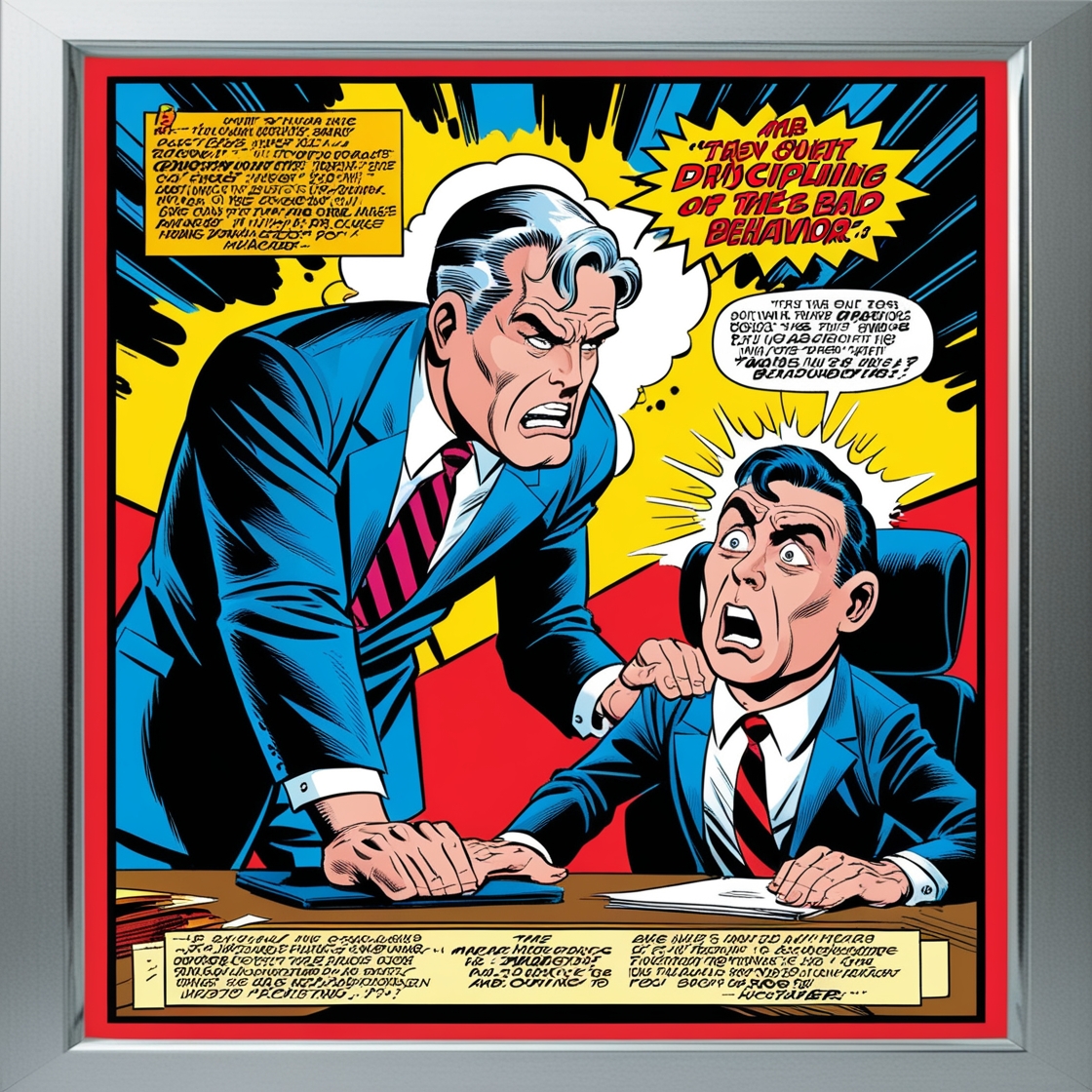
How to Handle a Toxic Manager: A Guide For Recruitment in EMEA
How to Handle a Toxic Manager: A Practical Guide for Employees and Companies in EMEA
Toxic managers aren’t just unpleasant — they’re expensive. They drain morale, crush productivity, and quietly push top performers straight into the arms of competitors.
A candidate I interviewed recently summed it up perfectly:
“I’m leaving because my manager is toxic.”
This wasn’t a mediocre employee looking for excuses. This was a high‑impact, dynamic professional with a strong track record — the kind of person companies fight to keep. And yet, they were ready to walk away because of one thing: their boss.
The truth is uncomfortable but simple:
People don’t leave companies. They leave managers.
And in EMEA — where talent shortages are real, mobility is high, and employer reputation spreads fast — a toxic manager isn’t just a problem. They’re a liability.
So let’s break this down from both sides:
✔ What employees can do when dealing with a toxic boss
✔ What companies must do to identify, address, and prevent toxic leadership
☢ What Makes a Manager “Toxic”?
A toxic manager isn’t just someone who’s demanding or direct. Toxicity shows up in patterns:
• Micromanagement disguised as “high standards”
• Unrealistic expectations with no support
• Insecurity-driven behaviour (taking credit, shifting blame)
• Emotional volatility — unpredictable reactions, mood swings
• Lack of psychological safety — employees feel afraid to speak up
• Zero self-awareness — they never see themselves as the problem
And here’s the kicker:
Most toxic managers genuinely believe they are the high performers. Everyone else is the issue.
For Employees: How to Protect Yourself and Navigate the Situation
Leaving is an option — but it shouldn’t be the first one. Before you hit the eject button, try a structured approach.
1. Document Everything (quietly and consistently)
Keep a private log of incidents, dates, and examples.
Not to “build a case,” but to stay objective.
When emotions run high, facts keep you grounded.
2. Assess the Pattern
Ask yourself:
• Is this a one-off bad week?
• Or a consistent behaviour over months?
• Is the toxicity directed at everyone or just you?
Patterns matter. They determine your next move.
3. Choose the Right Moment to Talk
Never confront a toxic manager in the heat of the moment.
Pick a calm, neutral time.
Book a meeting with a clear agenda: “Discussing role expectations and collaboration.”
4. Use “I” Statements — Not Accusations
This keeps the conversation constructive and reduces defensiveness.
Examples:
• “I feel my skills aren’t being fully utilised.”
• “I work best when expectations are clearly defined.”
• “I’d like more autonomy in managing my tasks.”
You’re not attacking. You’re expressing needs.
5. Bring Solutions, Not Just Problems
Toxic managers often lack emotional intelligence — but they understand structure.
Try:
• “Here’s how I think we can work better together…”
• “Here’s what helps me perform at my best…”
• “Here’s the support I need to deliver stronger results…”
You’re showing initiative, not confrontation.
6. Follow Up in Writing
A short email summarising the discussion protects you and reinforces clarity.
7. Know When It’s Time to Leave
If nothing changes after multiple attempts, the environment is unlikely to improve.
Your mental health, career growth, and self-respect matter more than any job.
Sometimes the most professional move is to walk away.
For Companies: How to Identify and Fix Toxic Managers Before They Damage Your Brand
Here’s the uncomfortable truth:
Most companies don’t realise they have toxic managers until the damage is already done.
By then:
• High performers have left
• Employer branding has taken a hit
• Recruitment costs have skyrocketed
• Productivity has dropped
• Engagement scores are in the gutter
Toxic managers are silent profit killers.
1. Look Beyond KPIs — Toxic Managers Often “Perform Well” on Paper
Many toxic leaders hit targets because they push people to breaking point.
Short-term results hide long-term damage.
Companies must evaluate managers on:
• Team turnover
• Engagement scores
• Internal mobility
• Peer feedback
• Psychological safety indicators
If a manager hits numbers but loses people, that’s not success.
That’s a warning sign.
2. Create Anonymous Feedback Channels
Employees rarely speak up if they fear retaliation.
Anonymous surveys, skip-level meetings, and confidential HR channels reveal the truth.
3. Train Managers — Don’t Assume They Know How to Lead
Many toxic managers aren’t malicious.
They’re simply untrained.
Offer development in:
• Emotional intelligence
• Conflict resolution
• Coaching and mentoring
• Delegation
• Communication
• Stress management
Leadership is a skill — not a job title.
4. Hold Managers Accountable
If a manager’s behaviour is damaging the team, address it.
Not with a slap on the wrist — with a structured improvement plan.
And if they refuse to change?
Remove them from leadership roles.
Not everyone is meant to manage people.
5. Protect Your Talent Pipeline
Top performers leave quietly.
Recruiters hear the truth long before HR does.
If candidates consistently mention the same manager as the reason they’re leaving, that’s not gossip — that’s data.
6. Build a Culture Where Toxicity Can’t Thrive
Healthy cultures have:
• Clear values
• Transparent communication
• Psychological safety
• Leaders who model good behaviour
• Zero tolerance for bullying or manipulation
Toxic managers survive only where companies allow them to.
The Bottom Line
Toxic managers cost companies talent, money, and reputation. Employees deserve environments where they can grow, contribute, and feel respected.
Companies deserve leaders who elevate teams — not drain them. Whether you’re an employee navigating a difficult boss or an organisation trying to protect your culture, the message is the same:
Toxicity is not a personality trait. It’s a behaviour — and behaviours can be changed or removed.
If you’re an employee dealing with a toxic manager, don’t navigate it alone.
If you’re a company worried about losing talent because of poor leadership, act before the damage spreads.
IWR WorkForce International supports both sides — helping employees make smart career decisions and helping companies identify, address, and eliminate toxic leadership patterns.
If you’re a company worried about losing talent because of poor leadership, act before the damage spreads.
IWR WorkForce International supports both sides — helping employees make smart career decisions and helping companies identify, address, and eliminate toxic leadership patterns.
If you want to strengthen your culture, retain top talent, or understand what’s really happening inside your teams, reach out.
Your people are your competitive advantage. Protect them.
For more on this topic, visit our Youtube channel by clicking the link