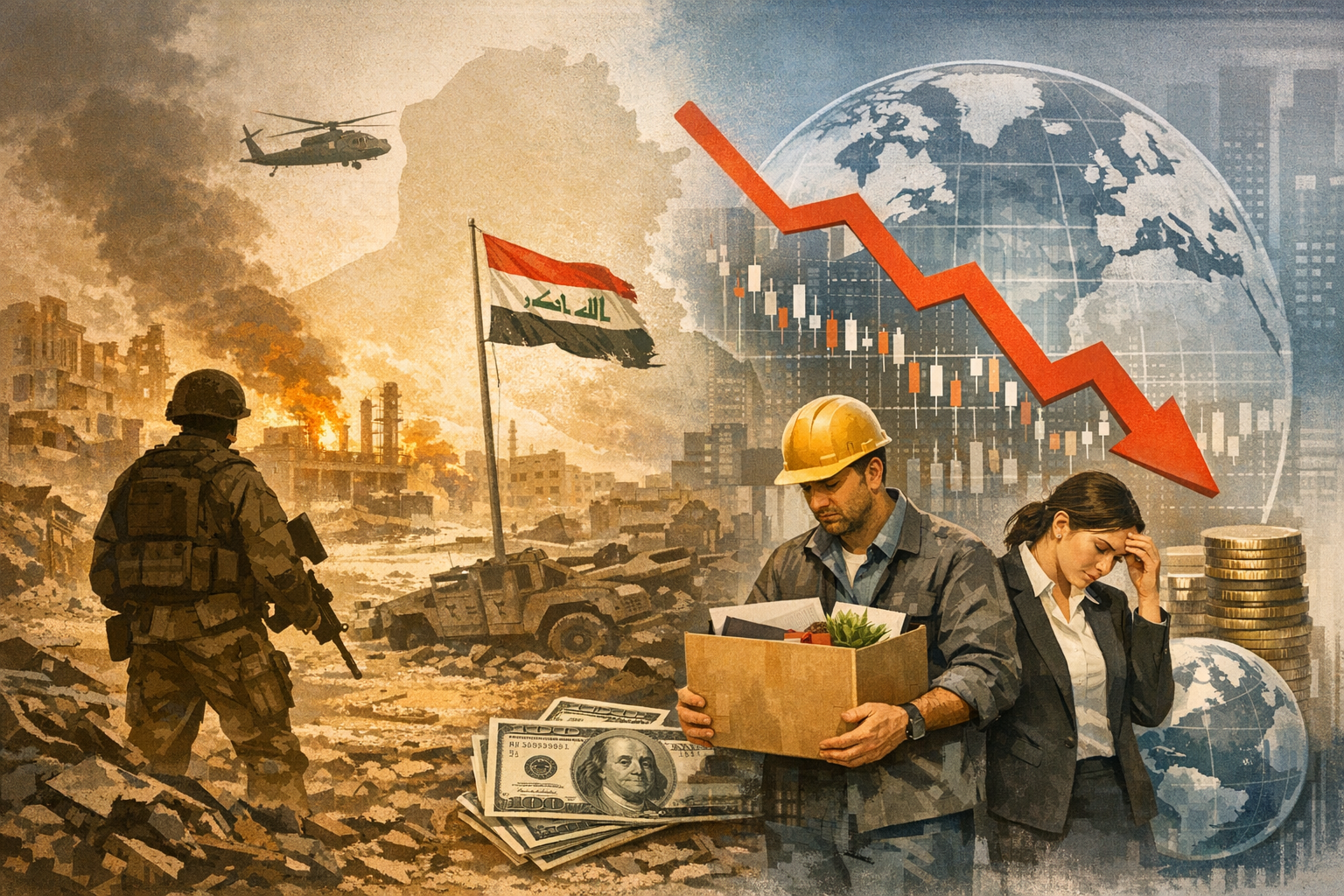
How is the conflict in Iraq affecting the EMEA workplace?
The Geopolitical Ripple Effect: Navigating Workplace Disruption Amidst Regional Conflict
As we navigate the second quarter of 2026, the intensifying instability in Iraq and the wider Middle East has evolved from a regional concern into a global workforce challenge. For businesses operating across Europe and the Middle East (EMEA), the "wait and see" approach is no longer viable.
From disrupted supply chains to the sudden migration of high-level talent, the conflict is fundamentally altering how companies hire, retain, and protect their human capital. At IWR Workforce, we are seeing three distinct shifts that every CEO and HR Director must address to ensure business continuity.
1. The Migration of the "Brain Trust" to Safe Havens
Instability often triggers a "flight to safety," not just for capital, but for talent. We are currently witnessing a significant influx of skilled professionals—particularly in Tech, Finance, and Engineering—looking to relocate from volatile zones into stable European hubs.
Cyprus as the Strategic Bridge: Because of its geographical proximity and EU member status, Cyprus has once again emerged as the primary "Safe Haven" for regional headquarters. Companies that previously operated out of the Levant or Upper Gulf are now fast-tracking relocation to Limassol and Nicosia.
The Opportunity: Businesses in Cyprus and Southern Europe now have access to a concentrated pool of highly experienced international talent that was previously unavailable.
2. Supply Chain Vulnerability and the Surge in Logistics Talent
The conflict in Iraq has placed immense pressure on terrestrial and maritime trade routes. As insurance premiums spike and routes are diverted, the demand for Supply Chain Crisis Managers and Specialized Logistics Coordinators has hit a three-year high.
For our clients in the shipping and manufacturing sectors, the challenge isn't just moving goods; it's finding the people who can navigate the legal and logistical complexities of a "High-Risk" zone. We recommend that firms audit their logistics departments now—waiting for a total bottleneck to hire will be too late.
3. The Rise of "Geopolitical Risk Insurance" in Recruitment
Five years ago, recruitment was about skill sets and culture fit. In 2026, it is about Risk Mitigation.
Duty of Care: Companies with staff in the Middle East are now prioritizing "Duty of Care" as a recruitment USP. Candidates are no longer just asking about salary; they are asking about evacuation protocols, remote-work flexibility in times of crisis, and the physical security of office hubs.
Remote-First Resilience: We are helping clients transition key roles to "Location Independent" status. By de-linking critical functions from a single geographical point, companies are protecting themselves against localized conflicts.
The IWR Perspective: Proactive vs. Reactive Hiring
History shows that the most resilient companies are those that build "Agile Workforces" before the peak of a crisis. Whether you are looking to relocate a key team to Cyprus or need to fill critical gaps created by regional shifts, the strategy must be proactive.
The workplace is no longer a static environment—it is a reflection of global stability. As your recruitment partner, IWR Workforce is committed to helping you navigate these complexities with data-driven talent solutions.